

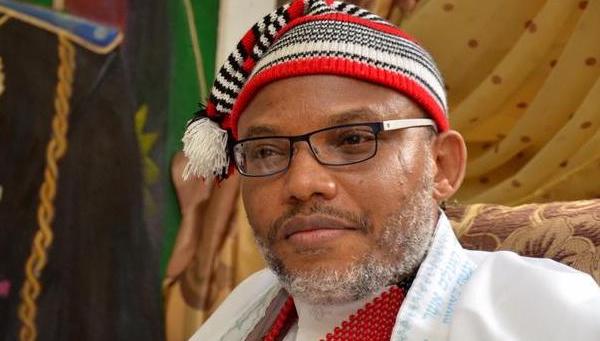

Rumours of the release of Mazi Nnamdi Kanu’s have reverberated across Nigeria and beyond. For years, his incarceration symbolised the deep divisions between the federal government and the proscribed Indigenous People of Biafra (IPOB), the movement he leads. Now, his purported freedom presents both an opportunity and a challenge: an opportunity to heal wounds and a challenge to chart a path towards genuine national unity.
Kanu’s case has never been just about one man. It has been about the broader questions of justice, inclusion, and the right of communities to express their political aspirations. His prolonged detention raised concerns about due process and human rights, drawing criticism from civil society groups and international observers. By his purported release, the government signals a willingness to embrace dialogue over confrontation.
The implications are profound. In the South-east, where perceived marginalisation have fueled discontent, Kanu’s release could ease tensions and open the door to reconciliation. It offers a chance for leaders, both political and traditional, to engage constructively with the federal government on issues of development, security, and representation. For Nigeria as a whole, it is a reminder that unity cannot be achieved by force alone; it must be nurtured through fairness and respect.
Yet, freedom also comes with responsibility. IPOB and its supporters must recognise that lasting change will not come through confrontation but through sustained engagement in democratic processes. The government, in turn, must ensure that this gesture is not symbolic alone but part of a broader commitment to justice and inclusion.
Nigeria stands at a crossroads. The purported release of Nnamdi Kanu is more than a legal decision, it is a political statement, a humanitarian act, and a test of our collective resolve to build a nation where every voice matters. If embraced wisely, it could mark the beginning of a new chapter: one defined not by division, but by dialogue and hope.