


The President of the National Cashew Association of Nigeria (NCAN), Dr. Joseph Ajanaku, has warned against the proposed ban on raw cashew nut exports, saying such a policy could severely threaten farmers’ livelihoods across the country.
He cautioned that without adequate government incentives, cashew processors cannot remain profitable, citing high interest rates of 25 to 35 percent on loans, rising energy costs, and the need to store produce for up to nine months as major constraints facing the sector.
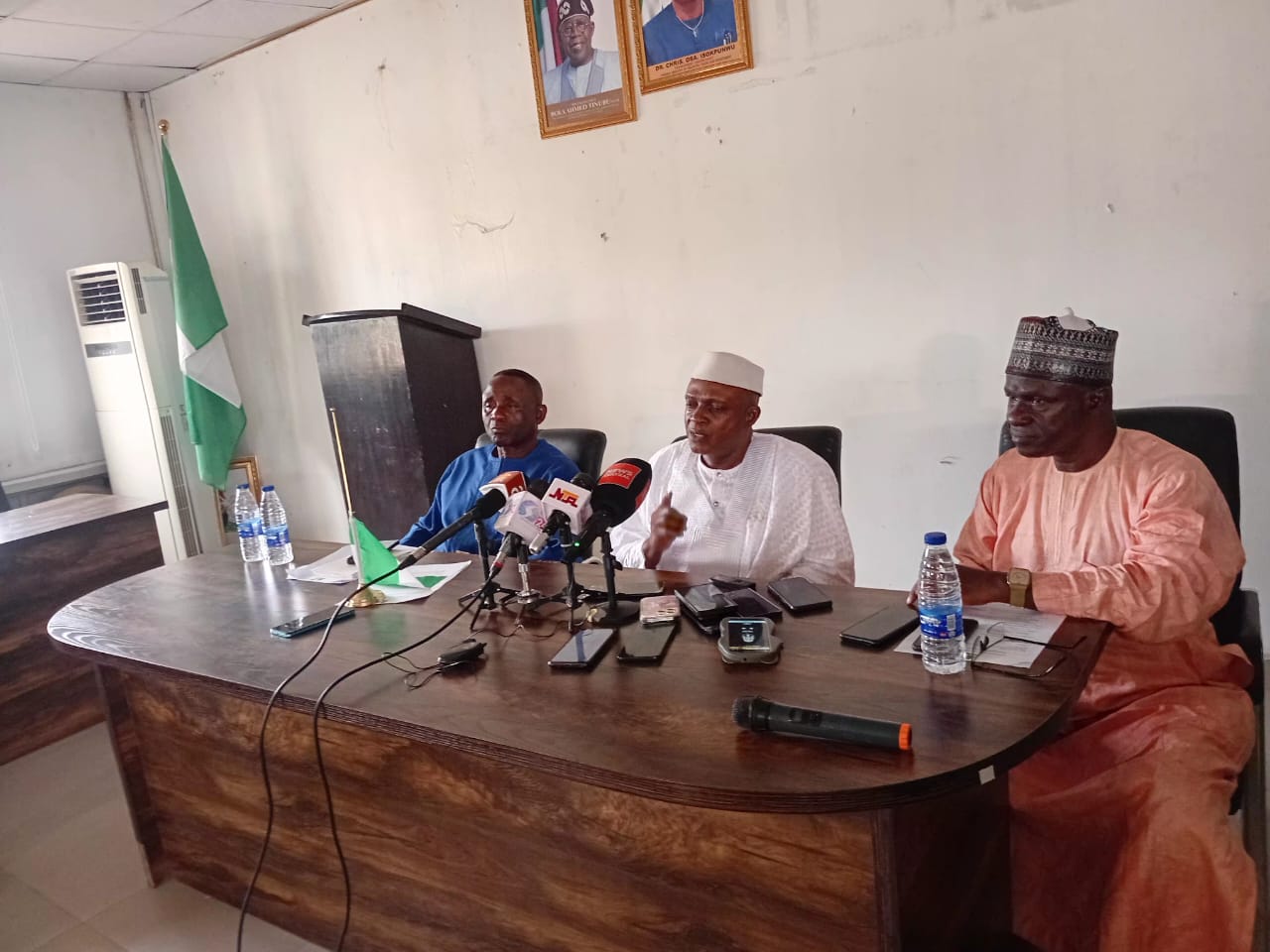
The President disclosed this on Monday at a press conference with the National Executive Committee (NEC), Board of Trustees (BoT), and the National President of NCAN.
He noted that for over three and a half years, the association has resisted pressures from vested international interests seeking to impose policies that could harm the Nigerian cashew sector.
According to him, such moves would be detrimental, especially to smallholder farmers who form the backbone of the industry.
Dr. Ajanaku emphasised that most Nigerian cashew farmers are peasant farmers cultivating less than one hectare of land, with high production and logistics costs.
He recalled that in 2017, when cashew prices dropped to about ₦130,000 per ton delivered in Lagos, many farmers resorted to cutting down their trees.
He said significant interventions were required to stabilize and rebuild the sector.
He further stated that Nigeria was once the world’s leading cashew producer, with output of about 700,000 metric tons, compared to Côte d’Ivoire’s less than 150,000 metric tons at the time.
Today, however, Côte d’Ivoire produces over one million metric tons, while Nigeria struggles between 350,000 and 400,000 metric tons.
Highlighting the importance of pricing, he stressed that fair market value remains the primary incentive for farmers, warning against policies that would indirectly force farmers to subsidise processing, insisting that value addition must translate into increased income for farmers.
Dr. Ajanaku described the harsh realities faced by farmers, including traveling between 5 and 15 kilometers through difficult terrain to transport produce to accessible roads.
He noted that logistics alone can consume up to 40 percent of their earnings, while production costs, including labor for farm maintenance, account for another significant portion.
According to him, the cashew industry employs over five million Nigerians at the primary production level.
In contrast, processing the entire national output would generate only about 35,000 jobs, raising concerns about policies that could displace millions of livelihoods.
He called on the federal government to adopt a balanced and sustainable approach by supporting both farmers and processors.
This includes providing low-interest agro-processing loans of between three to five percent to enable processors to compete globally.
Addressing internal issues within the association, Dr. Ajanaku denied any leadership crisis, attributing recent tensions to disagreements over certain policies, including attempts to introduce genetically modified organisms and proposed export restrictions.
He alleged that these disputes led to efforts to destabilize the association, but affirmed that unity remains intact.
On governance matters, he clarified that the Board of Trustees consists of 11 members, with two members having indicated interest in resigning but yet to submit formal letters.
He also confirmed the suspension of the board chairman, Sunday Eze, and the board secretary, Abraham Adeshida, while noting that another individual, Adesoka, is no longer recognised as a member.
Despite the challenges, he said the association has made progress, citing collaboration with the Kogi state government on the Cashew Procurement Policy, which has helped stabilise prices and prevent exploitation by foreign buyers.
He also acknowledged security challenges affecting farmers, particularly those operating in remote areas, but noted that farmers continue to harvest and supply produce despite these difficulties.