
Arabinrin Aderonke: Zacch Adedeji sets clear vision for smarter revenue, strong institutions in Nigeria

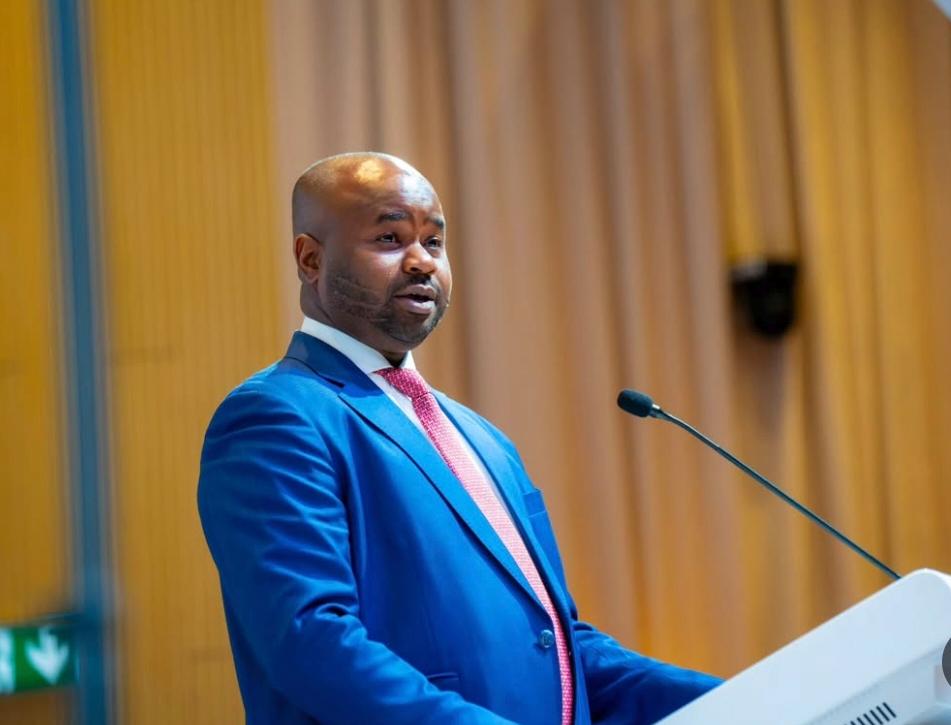
I sat through the opening address at the commissioning of the Nigeria Revenue Service headquarters with a mix of curiosity and cautious optimism. Government speeches often lean heavily on ceremony and praise, but this one felt different. It was deliberate, structured, and most importantly, anchored in policy implementation and formulation. It did not just celebrate a building. It attempted to explain a shift in how Nigeria thinks about revenue, governance, and institutional delivery.
What stood out immediately was the framing. The Executive Chairman did not present the headquarters as a trophy project. He described it as the physical expression of a broader fiscal transformation. That distinction matters. Nigeria has seen too many impressive structures that do little to improve systems. This speech tried to convince us that this one is different. It positioned the building as a tool for efficiency, coordination, and accountability.
The most compelling part of the address was its emphasis on reform as a system, not a slogan. The reference to the consolidation of over sixty tax laws into a more coherent framework signals a serious attempt to simplify Nigeria’s tax environment. For years, businesses and individuals have struggled with overlapping obligations, inconsistent enforcement, and a lack of clarity. A streamlined system improves compliance not by force, but by making it easier to understand and participate. That is how sustainable revenue is built.
There was also a clear effort to separate revenue growth from increased tax burden. This is an important policy signal. The speech suggests that recent improvements in revenue performance are being driven by better administration, wider coverage, and stronger governance rather than simply raising taxes. If this holds true, it represents a healthier path for the economy. It means government is focusing on plugging leakages, capturing previously untaxed activity, and improving efficiency within existing structures.
From a revenue collection standpoint, the implications are significant. A more coordinated tax system reduces duplication and waste. Improved remittance processes ensure that what is collected actually reaches government accounts. The mention of enhanced transparency mechanisms points to a system that is becoming more traceable and less prone to discretion. These are the kinds of changes that quietly but steadily increase revenue without creating additional pressure on citizens.
The speech also touched on the National Single Window initiative, which is a critical reform in trade facilitation. Anyone familiar with Nigeria’s ports understands how inefficiencies and delays translate into lost revenue and higher costs. Digitising and integrating trade processes can significantly reduce leakages, improve compliance, and increase government earnings from imports and exports. It also has a broader economic effect by making Nigeria a more attractive destination for investment.
Another notable policy direction is the move to sell crude oil in Naira. While still evolving, the intention is clear. It aims to reduce pressure on foreign exchange, stabilise the local currency, and improve fiscal predictability. If implemented effectively, it could help align Nigeria’s revenue flows more closely with its domestic economic reality.
What ties all these elements together is coordination. The speech repeatedly returned to the idea that reform is not isolated. Tax policy, trade systems, public finance management, and energy reforms are being treated as interconnected parts of a single fiscal ecosystem. This is perhaps the most encouraging takeaway. Nigeria’s biggest policy challenge has often been fragmentation. When reforms happen in silos, their impact is limited. When they are aligned, they reinforce each other.
On a personal level, I found the tone of the speech measured but confident. It acknowledged that reform is difficult, technical, and sometimes contested. That honesty made it more credible. It did not pretend the journey was smooth. Instead, it argued that persistence and clarity of purpose have begun to yield results.
The real test, however, lies ahead. Buildings can inspire, but they do not deliver outcomes on their own. The value of this headquarters will be judged by how it improves service delivery, strengthens compliance, and builds trust between citizens and the state. Nigerians want to see a system that is fair, predictable, and efficient. They want to know that revenue collected translates into visible public value.
This is why the speech matters. It sets expectations. It frames the headquarters not as an endpoint, but as a foundation. It tells us that reform should be measurable, not just announced.
Walking away from that address, my impression is that Nigeria may be entering a more disciplined phase in its fiscal management. The signals are there. Simplified tax structures. Stronger compliance systems. Improved transparency. Coordinated reforms across sectors.
If these are sustained, the benefits will extend beyond government coffers. A more efficient revenue system creates room for better public investment, reduces reliance on borrowing, and strengthens economic stability. It also builds confidence, both locally and internationally, that Nigeria is serious about managing its finances.
For once, the story is not just about what was said. It is about whether the systems being described can endure. If they do, this headquarters will stand not just as a building, but as a marker of when Nigeria began to get its fiscal house in order.
Arabinrin Aderonke Atoyebi is the Technical Assistant on Broadcast Media to the Executive Chairman of the Nigeria Revenue Service. She writes from Abuja